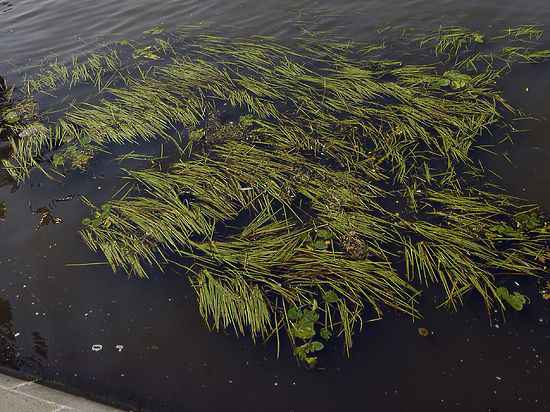
 Studying algae species Botryococcus braunii, an international team of researchers has found a new way to produce affordable biofuels. New technology will allow the appropriate special enzyme that is contained in this alga.
Under the influence of the enzyme in question, algae can excrete large quantities of flammable materials that can be used to create fuel. According to the study’s lead author Timothy Devarenn produced hydrocarbons can be used, including, when the production of diesel fuel, gasoline and kerosene. The scientist also noted that these same compounds are used today, but now they are the source of the oil fields. Specialists offer for their mass production to grow algae.
Timothy Devarenn noted that Botryococcus braunii algae is very unpretentious to a habitat, and they can be found in rivers, lakes, ponds and reservoirs across the whole world. Do not they just grow in seawater and in Antarctica, but found both in fresh and brackish water and can grow in a variety of conditions, including the arid climate and the mountains.
The main problem with algae detected as a fuel source is that they grow very slowly – at each division of cells takes a week. At the same time, another kind of algae also produce liquid hydrocarbons, it takes six hours, but they produce only small amounts of combustible materials. To borrow from the best of both species, the researchers propose to apply to the methods of genetic engineering.
Experts suggest that genetically modified algae that could grow rapidly and produce large amounts of fuel, could solve a number of economic and, perhaps, and environmental problems in the world. The results of their research, scientists reported on the Nature Communications journal.