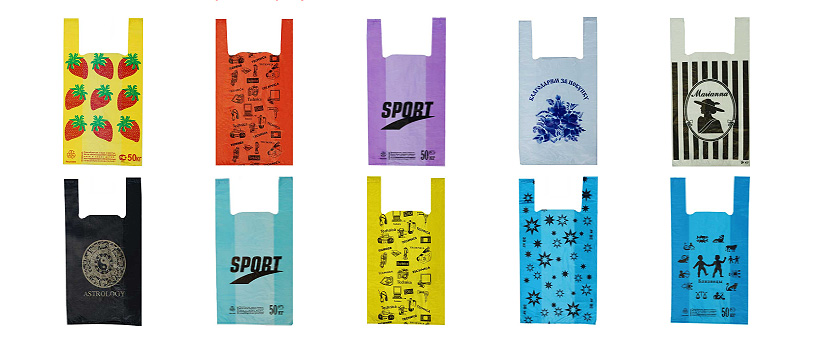
Despite efforts to combat plastic waste, many state and local governments have suspended bans on the use of plastic bags as a temporary measure and have banned the use of reusable bags to stop the spread of COVID-19. Plastics processors support measures that at the same time “make environmentalists cry,” C&EN says ironically.
In the city of San Francisco (USA), which was at the forefront of restrictions on disposable plastic products, an order was issued that did not allow customers to bring their personal bags, mugs or other reusable items from home as a measure to “prevent unnecessary contact “. The ban on the use of disposable polymer bags is delayed until January 15, 2021, after it was originally planned to be introduced on April 22 – Earth Day.
New Hampshire Governor Christopher T. Sunoon ordered stores to switch to disposable plastic or paper bags issued by the store to “prevent the spread of COVID-19.” In the state of Massachusetts, they also allowed the use of disposable bags to shops that were subject to local bans, and introduced a ban on the use of reusable bags.
However, the Supreme Court of New York postponed the introduction of a state ban on the issuance of disposable bags from March 1 to May 15 due to a lawsuit filed by the winery, and not because of COVID-19.
The American plastics industry is in favor of such measures. In recent weeks, the BagTheBan initiative (www.bagtheban.com), sponsored by the American Recyclable Plastic Bag Alliance, has published articles in leading newspapers such as the Boston Herald and New Hampshire Union Leader, which advocated the use of polymer packages to protect employees of grocery chains and stores from the COVID-19 virus.
“It is imperative that employers and regulators do their best to protect food sellers, while they provide essential services to support society,” says one such article. “This includes the prohibition of reusable bags that have been shown to contain bacteria, infectious diseases and viruses.”
Turning to the US Department of Health and Human Services, the Association of Plastics Manufacturers made a similar conclusion: “Disposable plastic products are the best choice when it comes to many sanitary restrictions and applications.”
The association cites the results of a study on the handling of reusable bags, including a study conducted in 2011 by Loma Linda University and University of Arizona, during which randomly selected reusable shopping bags were checked at grocery stores – bacteria were found on them, including like E. coli (8%). The study also mentions an outbreak in Oregon in 2012 of norovirus, which causes epidemic non-bacterial gastroenteritis directly associated with the use of a reusable bag. The study also cites a similar case of 2019 in Portugal when bacteria were found in reusable bags.
At the same time, Judith Enck, the founder of the environmental group Beyond Plastics (www.beyondplastics.org), does not trust research and explains these measures by lobbying by manufacturers of polymer bags who are trying to take advantage of the health crisis. “Consumers must pack their products themselves, and if they use reusable bags, they should wash them well regularly,” Enck adds.