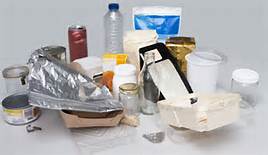
 Food packaging
Selecting the buyer of the goods for the most part due to the attractiveness of the packaging. In particular, the acquisition of provisions when the consumer can not, as they say, to feel their purchase, that is, to compare it with other characteristics. In this case the person stops at a familiar, well-established product, or on what looks nice. According to analysts the food sector consumes about 40% of the released packaging: primary packaging, directly in contact with the product (about 60% of the used volume), transport (approximately 30%) and secondary – 7%.
There are many materials for the production of packaging: glass, foil, plastic, cardboard, paper, metal. In Russia, the most common paper (cardboard) and polymer packaging. By the way, the polymer produced even plastic gloves that you can buy online labplus.ru and which are also used in the food industry. Using plastic gloves packed product in a package that depends on its specific features and its requirements. For example, intermediates, which only need to use warm, provided with a packing, can withstand heating in a microwave oven. Shops offer cheese in locked boxes, plastic bottles and cups replace glass bottles for liquid and semi-liquid products in the plastic accounts for almost half of the food packaging. The conditions to be met by food packaging, very strict and have a tendency to tighten. From packaging expected: the guarantee of the safety of the useful properties of the product; environmental security; little impact on the overall cost of the product; facilitating the use of the product by the buyer; light weight; nice appearance; ease of transportation; possibility of reclosing the packaging; practicality; ability to withstand freezing and cooking of food; ease of disposal. In their medical needs, they focus on security containers for human. For example, experts censures cause polymeric materials, especially when it comes to the storage of dairy products and beer, because after some time under certain conditions in the drinks start to stand out harmful compounds. Therefore, experts say that the product packaged in such containers, if possible should be used quickly. Keep it should be in the proper conditions. Popularity Index types of packaging a special place in a number of food packaging occupies packaging for frozen foods. The conditions of storage and use of these products involve significant changes in temperature. Their manufacturers have chosen as a packaging material to maintain flexibility at low temperatures, close fitting to the contents of the package, and protect it from dehydration ( “refrigerant burns”), which affects the taste. Such a package should be full, which prevents the formation of ice inside the shell. For storage of frozen food use PVC bags with high barrier properties, waxed cardboard or coated with polyethylene
Packing for liquid and semi-liquid products, too, has several options. As containers for dairy products 90% of manufacturers are using thermoformed containers. Mainly it is packed sour cream, yogurt and cottage cheese. For liquids and sauces recently often used stand-up pouches Doy-pack. They are also suitable for confectionery, cosmetic and pharmaceutical products. Packages consisting of several layers of Mylar and polyethylene, have a long service life, take up little space, weigh a bit, protect the product from light and moisture. At present they are doing figured. According to the forecasts of some experts the future of the packaging of liquid food aseptic packaging belongs. In addition to drinks, it is suitable for packing of ready-to-eat meals and spreads. In this method, the sterilized food is placed in separate sterile packaging, after which it was sealed under sterile conditions. Aseptic packaging allows you to expose the product to high temperatures for a much shorter time than with conventional heat sterilization, which preserves their naturalness. Ready goods can be stored without refrigeration for a long time.
© Catherine Vishnjakova
Source: http://komtv.org