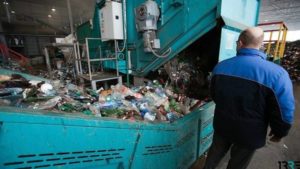
 Our planet is choking on garbage, say scientists and public figures of all countries. If urgent measures are not taken, by the year 2050 there will be as many plastic bottles floating in the world ocean as fish.
This is only one type of waste, and their humanity produces a great many every day. However, advanced countries have begun global recycling for quite some time.
For example, Norway successfully processes and uses in further production 97% of plastic containers for beverages. The entire economic policy of this country is aimed at supporting producers who have organized waste recycling. There is an environmental tax in the country. The higher the percentage of recycling, the lower the tax pays the company.
Control over the process is centralized, a non-governmental unified organization works with which all importers of products in plastic containers entering the Norwegian market must enter into contracts for recycling.
The population is accustomed to separate collection of garbage, plastic containers are delivered to special machines installed throughout the country. For each bottle a person receives a discount coupon when purchasing products.
In the Netherlands, work to ensure cleanliness in the country and encourage recycling begin with schoolchildren. The NGO Ecologists regularly conducts classes in schools, attract children to collect waste, take excursions to processing plants, organize environmental trainings and exhibitions of products that can be produced from secondary raw materials.
Similar systems work in Germany and some states of America.
Recently, work on the organization of a closed-cycle economy has been actively conducted in Russia. This term appeared quite recently and immediately acquired a special meaning.