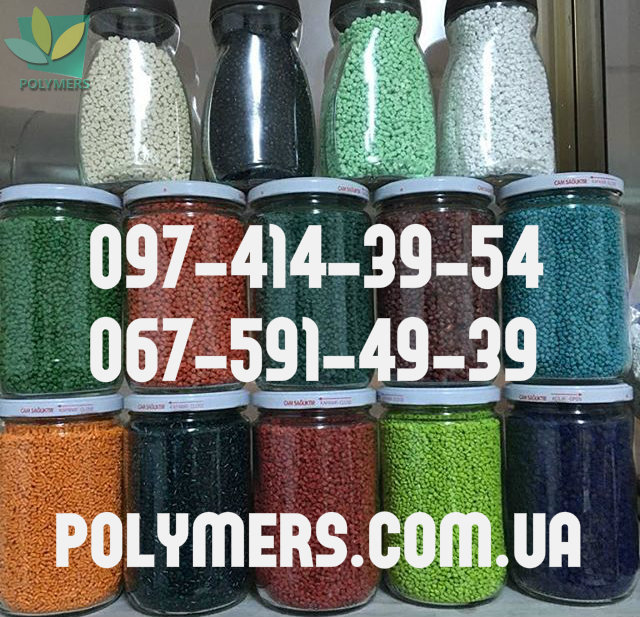
 Polyethylene. HDPE / HDPE, LDPE / LDPE
Low-density polyethylene (HDPE)
HDPE Recycling Badge Low pressure polyethylene (HDPE or HDPE – abbreviation) is a high density polymer produced by an ethylene polymerization reaction at low pressure. In standard conditions it is a solid, rigid, relatively transparent substance used as a raw material for the production of items of both technical and household and purpose. Because of the special structure of the molecular cell with a high degree of intermolecular bonds, it has a slightly higher density than other types of polyethylene, and can therefore also be called high-density polyethylene (PVP or English-language version of HDPE).
Main characteristics of HDPE
The monomer for the production of HDPE binds in a dense polymeric structure due to the presence of catalysts and stabilizers, some of which then become an integral part of polyethylene. This structure and composition explains its properties and capabilities, which gave him such a high popularity.
Properties
Low-density polyethylene is produced in the form of granules with a diameter of 2-5 mm, has a density of about 0.960 g / cm3, a melting point of + 129-135 0C, a brittle-state temperature of -70 0C and has the following physicochemical characteristics:
High hardness, explained by the high crystallinity of the substance
High tensile and compressive strength
Virtually absolute vapor and liquid impermeability
Good chemical resistance against most aggressive environments with acids, alkalis, fats and oils
Excellent dielectric properties
Possibility of processing by thermal methods, ease of welding and gluing.
HDPE and PVD. In comparison with LDPE, this polyethylene has:
Increased hardness, but less transparency and waxy
Greater strength, but less resistance to deformation and greater brittleness (especially at low temperatures)
A higher melting point, at which it is possible to sterilize products from it even with steam
Less water absorption and vapor permeability
Better resistance to various reagents, especially oils and fats.
HDPE and LDL. Linear polyethylene LLDPE on chemical characteristics is between the HDPE and PVD. It practically does not concede HDPE in rigidity and chemical inertness, but at the same time it possesses greater plasticity and resistance to cracking and puncture.
KNOW IT! When impacted on hard surfaces, HDPE products emit a sonorous sound, with which they can be quickly distinguished “by eye” from items made from other types of plastics. This difference can be used on a par with such a sign as a harder and matte surface (the surfaces of products made of PVD are smoother and shiny).
Application
The wide application of HDPE in industry and in everyday life is explained not only by its high characteristics, but also by comparative cheapness of production. The ease of imparting any shape under heating conditions above the melting point makes it possible to manufacture various products from it, therefore the granules of this polyethylene become the raw material for the manufacture of the following necessary materials:
HDPE pellets Extruded from HDPE are produced:
Films – smooth and bubble
Film bag sleeve
Communication pipes
Electrical cable insulation
Sheet and mesh materials.
From it are blown containers for household chemicals, canisters, barrels, etc.
Under pressure cast:
Consumer goods (toys, dishes, tools, kitchen and bathroom products, lids for cans, bottles, etc.)
Sewing and furniture accessories
Accessories for various equipment (cars, household appliances, etc.).
Form the rotor method:
Tanks,
Road blocks,
Large-scale constructions in the form of playgrounds, wells, overpasses.
In addition, when foaming HDPE produce a qualitatively new product – foam polyethylene, which is used in thermal insulation works.
Polypropylene.
Polypropylene is a synthetic thermoplastic non-polar polymer belonging to the class of polyolefins. The product of polymerization of propylene. The solid is white. It is produced in the form of homopolymer and copolymers obtained by copolymerization of propylene and ethylene in the presence of organometallic catalysts at low and medium pressures, in the form of granules of stabilized, colored or unpainted.
Grades of polypropylene and propylene copolymers are installed depending on the method of their production, properties and purpose.
In accordance with GOST 26996-86, low-pressure polypropylene includes eleven grades: 21003, 21007, 21012, 21015, 21020, 21030, 21060, 21100, 21130, 21180, 21230; Medium pressure polypropylene includes four grades: 01003, 01005, 01010, 01020; Copolymers of low-pressure polypropylene includes three grades: 22007, 22015, 22030.
But there are other brands of polypropylene on the market, as most manufacturers work according to their own specifications.
Secondary raw materials. Crushed stone, granules of secondary polyethylene.
Secondary polyethylene (LDPE)
Application:
Using injection molding, a wide range of consumer goods, stationery, building materials, technical products are produced from secondary polyethylene. When using extrusion polyethylene pipes are produced: gas, water, pressure, and also a wide variety of polyethylene films for the needs of all industries (agricultural, packaging, shrink). Extrusion blow molding and rotational molding from polyethylene produce all kinds of containers, vessels, containers.
Low-pressure polyethylene
Polyethylene waste is processed into HDPE pellets in a variety of ways, used in the processing of plastics. These include extrusion, pneumatic molding and injection molding.
Polyethylene of low pressure is widely used for the production of various films, bags and other packaging. More and more important in the industry get pipes from HDPE, and therefore waste of HDPE is necessary for obtaining inexpensive recyclables.
Thanks to modern technologies from polyethylene waste, it is possible to obtain secondary pvd granules of high quality, whose mechanical and physical properties are in no way inferior to those of primary raw materials.
There are many technologies for recycling and the production of secondary pvd, it is equally important that after the end of the service life, the secondary pvd can be subjected to one more processing, the technical conditions of which almost do not differ from the conditions of primary raw material processing. At the end of the first processing cycle, the secondary pellet granule retains its original properties, so it can be used as a raw material for the same products as the primary polyethylene.