 In the production of polymer products, it is common to use primary raw materials, which a priori guarantee the final quality of the product. But its disadvantage is a significant difference in price compared to secondary raw materials, which, accordingly, affects the cost of finished products. Competition forces manufacturers to change tactics, paying attention to more accessible materials.
What determines the quality of raw materials
The possibilities of recycling technologies today have significantly expanded, so the secondary granule of polyethylene can have almost the same properties as the original, but differ in more favorable cost. Destructive effect on raw materials during processing is minimal, which brings its properties to the primary polymer. But only if the product has not been used for a very long time and was destroyed for the first time. During the second and subsequent processing cycles, the viscosity of the material decreases, affecting the deterioration of its qualities.
Low levels of secondary granules can also be affected by poor cleaning and sorting, improper equipment and poor technology. Therefore, an important factor in ordering is the informed choice of a supplier who does not save on the production process.
In any case, the use of secondary granules has several advantages. Moreover, cost savings are not the most important of them in the global dimension. Suffice it to recall solving environmental problems and reducing the need for natural resources, which are very few.
Ways to use secondary polymers
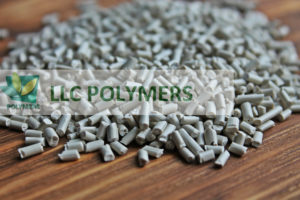
Today, recycled polyethylene is produced in the form of granules of LDPE, HDPE or stretch in a wide range of colors. Their low cost allows you to produce many inexpensive goods for the population and business. And physical properties allow long-term storage of raw materials, without losing its physical properties.
Secondary polyethylene and polypropylene are used in the manufacture of furniture, various containers, utensils, containers, tiles, roofing material, pipes, hoses, films, blown products, household appliances, packaging materials, insulation, automotive parts and even yarn. Depending on their subsequent purpose, the granules differ in a number of characteristics. By purchasing them from good manufacturers, you can rely on competent advice, technologist advice and free testing of several kilograms of samples.