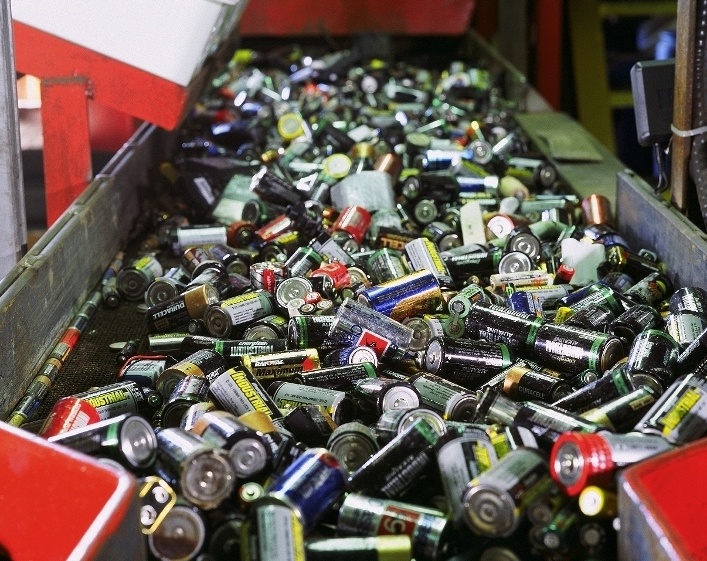
 Экологи уверяют: одна батарейка, выброшенная в мусорное ведро, отравляет 400 литров воды и около 20 квадратных метров почвы. Цинк, марганец, кадмий, никель, свинец и ртуть просачиваются вместе с водой в грунтовые и даже в артезианские воды. Оттуда эти вредные для организма вещества попадают в растения и животных, которые отправятся на наш стол.
Медики отмечают, тяжелые металлы имеют свойство накапливаться в организме и даже незначительная их концентрация опасна для здоровья. Например, кадмий блокирует ферменты, поражает печень, почки, поджелудочную железу, может вызвать деформацию костей или рак легких.
Не допустить отравления грунтов и вод можно только обращаясь с опасными отходами ответственно – сортировать мусор и перерабатывать батарейки, из которых, кстати, можно производить щелочь, графит, цинк и другие вещества для промышленных целей.
Кто собирает батарейки
«У нас нет и никогда не существовало государственной программы по сбору и утилизации батареек, – говорит Евгений Шмурак, главный специалист отдела обращения с отходами и опасными веществами при Министерстве экологии, – были различные меморандумы между министерством и компаниями, но это были меморандумы о намерениях. Основная причина – батарейки некуда потом вывезти». Поэтому в Украине сбором батареек занимаются энтузиасты, экологические организации и социально ответственный бизнес.
Самую широкую сеть «Батарейки, сдавайтесь!» организовала днепропетровская общественная организация «Экоднепр». По всей Украине с их помощью волонтеры открыли 1063 пункта сбора в 22 областях Украины. А по количеству собранных элементов питания лидируют крупные коммерческие сети, которые ставят контейнеры для сбора в своих магазинах и центрах облуживания. По данным завода-переработчика «Аргентум», наибольшее количество (одну тонну ежемесячно) им поставляет одна из крупнейших в Украине сетей магазинов. Также сбором батареек занимаются Экологическая лига, Экологическая сотня и другие небольшие местные инициативы, вплоть до активистов на уровне подъезда.
Доставить дорого, вот и храним
Все собранные батарейки, по идее, должны перерабатываться, но им еще нужно доехать до завода, а это дополнительные расходы. Глава движения «Экоднепр» Любовь Колосовская рассказывает, как они поступают с собранными батарейками: «Системно вопрос не решен. В рамках каждой области находится перевалочный пункт. Если у волонтеров есть деньги – они отправляют их к нам в Днепр, нет денег – хранят у себя. Сейчас, не смотря на то, что проект волонтерский, он стоит нам около 10 тыс. грн в месяц, которые мы собираем в виде фондов и тратим на его поддержку (прежде всего это аренда гаражей и наша работа)».
Но проблема логистики – не единственная, почему отработанные батарейки в Украине практически не перерабатывают, а просто хранят.
Один завод почти стоит, другой засекречен
Государственное предприятие, которое обладает необходимым оборудованием и лабораториями, львовский завод «Аргентум», провел успешные эксперименты, но сейчас не перерабатывает батарейки, поскольку некому продавать изготовленное сырье. «Мы производим активную массу, которая используется в металлургии. Когда-то мы отправляли ее нашим донецким партнерам, но после известных событий не работаем с востоком, поэтому сбыта нет» – рассказал Сегодня.ua заместитель директора ГП «Аргентум» Тарас Когут.
«Наша экспериментально-исследовательская линия может перерабатывать 200-250 кг батареек в день. Это небольшое количество, но больше Украине и не нужно. Сейчас линия работает время от времени, чтобы не забыть, как это делается», – отмечает эксперт. За последний месяц «Аргентум» переработал только 100-200 кг.
Второе предприятие в Украине, которое может перерабатывать батарейки, находится в Белой Церкви. ООО «Экоспецпроект» покупает сырье за 500 грн за тонну. Однако на территорию производства не пускают никого, даже экоактивистов, поскольку боятся утечки коммерческой информации. Директор предприятия Николай Гудвяк утверждает, что рыночная стоимость его технологии – 5 млн евро, поэтому он не хочет рисковать и пускать кого-либо в цех.
Именно из-за того, что руководство не пускает на завод, координаторы сети «Батарейки, сдавайтесь» не спешат. Активисты хотят своими глазами убедиться: батарейки действительно перерабатываются полностью, никакой химический элемент не попадет просто на свалку.
Нужна ли лицензия? Единого мнения нет
В Министерстве экологии Украины настороженно относятся к желающим перерабатывать батарейки. «Аргентум» перерабатывает, но не имеют лицензии на это. Мы неоднократно имели с ними обсуждение», – уверяет Шмурак и отсылает к статье 34 Закона Украины «Об отходах». Там действительно говорится о необходимости иметь лицензию для обращения с опасными отходами.
Однако несколько лет назад батарейки переместились в классификации – перестали быть опасными отходами и стали бытовыми отходами, а этот вид деятельности не лицензируется, сообщил белоцерковец Гудвяк. «Батарейки до 7 ампер, как от ноутбука или шуруповерта, относятся к обычным бытовым отходам. Раньше они считались полупромышленными, а лет пять назад их убрали из перечня опасных, и новых нормативов не сделали», – уточнил он.
Тарас Когут из «Аргентума» также утверждает, что сегодня такого явления, как лицензия на переработку батареек в Украине не существует. «До 2011 года было постановление Кабинета министров, что переработка батареек лицензируется, но в 2012 это постановление отменили. После того не было ни одного нормативно-правового (тематического – ред.) документа, – объясняет замдиректора. – А Министерство экологии занимает очень неконструктивную позицию. Мы не могли бы работать, если бы это было незаконно».
Можно ли сделать бизнес на батарейках?
На сегодняшний день переработка батареек с коммерческой точки зрения является неприбыльным занятием. Гудвяк утверждает: «Сегодня нам удается терять на 1 кг батареек только 40 копеек. А несколько лет назад это было 15 гривен». Выйти на такой результат позволяет продажа полученных элементов, а также поддержка экологически ответственных партнеров.
Из переработки батареек можно сделать бизнес, если наладить систему логистики, считает Максим Стец, директор ТОВ «ГТМ ЛТД», предприятия, которое занимается энергозамещающими технологиями и технологиями переработки. Его компания провела эксперимент по переработке, но также пришла к выводу о нерентабельности идеи. «В Украине огромное количество батареек, этих объемов было бы достаточно для промышленной загрузки, но сейчас собрать и доставить на завод стоит дороже, чем переработать», – рассказывает предприниматель
Волонтеры собирают тонны, но это 0,01%
По данным Государственной фискальной службы Украины, в 2014 году в Украину ввезли 2 810 тонн батареек и электрических аккумуляторов. На хранение (с надеждой на переработку) отправится только 0,01%, подсчитали эксперты.
«Батарейки, сдавайтесь!» ежемесячно собирают 1 тонну отработанных элементов питания, а всего за время проведения акции волонтеры накопили 10-20 тонн, сейчас ведутся подсчеты. Но это количество ничтожно мало в сравнении с тем, что ежедневно завозится в Украину.
Новые методы переработки батареек
Разумным решением было бы отказаться от одноразовых батареек вообще и перейти на аккумуляторы, которые выбрасываются в 10 раз реже, считает Максим Ткаченко, менеджер Plan-B, нового технологического решения для переработки батареек. Однако пока об этом можно только мечтать – и утилизировать те батарейки, что уже отслужили свое.
«Plan-B является методом переработки на уровне с тем, который применяют в Швейцарии, – рассказывает Ткаченко, – только там это стоит миллионы евро, а наше оборудование только 300 тыс. долларов. А еще наше решение в два раза энергоэффективнее и дополнительно добывает азотное удобрение. Переработка – это дотационный бизнес, а наша технология самоокупаемая. В дальнейшем на ней даже можно будет зарабатывать, но сначала нужно пройти первый этап чтобы об этом говорить».
Ткаченко открыто рассказывает, как будут перерабатываться батарейки в его проекте – пирометаллургическим способом.
Что же делать?
В Европе в стоимость батарейки изначально заложена определенная сумма за сбор и утилизацию, таким образом, соблюдается принцип «загрязнитель платит». То есть покупатели наперед заплатили импортеру за то, что он потом утилизирует отработанные батарейки. Такие условия поставила производителям и импортерам батареек Директива 2006/66/EC.
Украинцы платят за столько же, только наши батарейки никто не забирает и не перерабатывает, констатируют эксперты.
Любовь Колосовская считает, что быстро и эффективно решить сложившуюся ситуацию можно в прямых переговорах с импортерами, кстати их в Украине всего 5. «Да, можно делать рукой закона, но это будет год, а батарейки собирать надо сейчас», – говорит экоактивистка. Цель – заставить импортеров добровольно взять на себя те же обязательства в Украине, которые они выполняют в ЕС.