XX century is considered the century of steel and non-ferrous metals. Aluminum, copper, iron alloys can be found everywhere – in the backside of bed, bridges, machinery of all types of cladding panels. However, as a result of mechanical processing of 50-80% of the melted material took into chips. Great expectations associated with a reduction in material consumption, experts were assigned to the chemical industry. Yet, despite the growth in the use of polymers, the results of the industry in the 80s were about the same: half wasted resources. It is obvious that the apparent availability of polymers – illusion. The raw materials used for their manufacture, represents a natural rarity. Access to his sources is a daily and constant reason and cause of trade, diplomatic and other wars. The geography of natural resource extraction increasingly displaced in places not so remote. Today, therefore, are increasingly talking about the need for the introduction of resource management models.
Most of today’s industrial complexes developed economies are able to recycle obsolete plastic products into new – user demand.
Secondary plastic
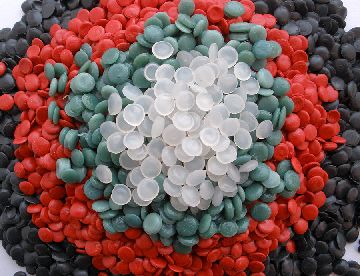 The main classes of polymers include:
– polyethylenes,
– polypropylenes
– polyvinyl chloride,
– polystyrene (including copolymers – ABS-plastics)
– polyamides,
– polyethylene terephthalate.
The complex composition products first of all separated. For physical purification using various mechanisms – vacuum, thermal, cryogenic. The most common and economically justified flotation and dissolution technology. In the first case the plastic is ground, is immersed in water. Thereto was added a compound influencing the ability of various plastics absorb moisture. After separation the separated polymers obtained. In the second method, complex parts are crushed and pressed sequentially exposed to various solvents. To recover pure materials, the resulting compounds are exposed to water vapor. As a result, precise execution process produces finished products of high purity. Further processing of different plastics can have its own characteristics associated with the individual properties of polymers.
Polyethylene high and low pressure (LDPE and HDPE).
 Group of these compounds is also called polyolefins. They are widely used in all kinds of industry, medicine and agriculture. PE are thermoplastics – materials suitable for remelting. This feature advantageously utilizes industry, processing their own technological waste in order to reduce running costs. The difficulty of the secondary use of plastic, the former in use, due to the partial destruction of its surface, caused by sunlight. Products obtained by conventional processing products: grinding, mechanical cleaning, remelting, – is not of high quality. Most often, such a polyethylene is used to make auxiliary household inventory. More perfect is the secondary polyethylene, chemical modification of the past. Various additives put into the polymer melt to bind the modified molecular units, align the structure of matter. As modifiers used dicumyl peroxide, waxes, lignins, slates. Additives certain result in a change of certain properties of recycled PE. Their combination allows to obtain a material with the necessary parameters.
Polypropylene (PP)
 This material rarely falls into a secondary use. Most often, the plastic has one life, in spite of its excellent consumer characteristics, allowing use of the polymer in the food industry. Despite t
he good capacity for melting, the high costs of maintaining hygiene scare processors. Nevertheless, in the United States each fifth ton PP used again. As chemists opinion, PP can withstand no more than four pereplavok. Each heating accumulates a certain amount of molecular units deformed affecting the physical characteristics of the material. Secondary granules are easily processed in extruders and injection molding machines. Special modifications recycled plastic does not. Its parameters is comparable with the starting material, only slightly reduced frost. Again, the polymer is used in the battery casing, garden tools, containers and films.
PVC Polyvinyl chloride
 The material used for the manufacture of linoleum, finishing films. Plastic prone to thermal degradation. At temperatures above 100 ° begins to accelerate oxidation of macromolecules, leading to deterioration of the thermoplastic properties of the material. extrusion technology using recycled PVC requires special training: initial raw material mixture in the melt may be mixed. Solid modifying PVC containing recycled plastic will have uneven internal stress. In order to minimize negative impacts to the extrusion processing is carried out dry granules in the compactor. As a result of this operation formed fibers that reinforce the walls of the new products. Most secondary polyvinyl chloride used to prepare plastisols vinilplastov. These materials prepared pastes, solutions, products, pressure molded. Among the new technologies is gaining popularity multilayer molding. The peculiarity of the method is to produce a multi-sheet, each layer of which has different characteristics.
Polystyrene (HIPS, PSM) ABS
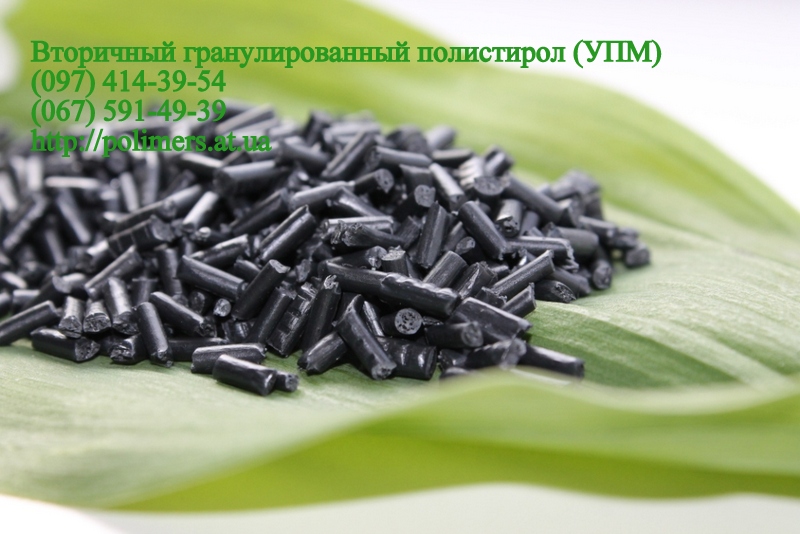 Various types of recycled polystyrene in a fall in weight – high impact modifying copolymers, acrylonitrile butadiene styrene. The versatility of the product of PS is often the reason for the failure of industrialists from its processing. Too high price of cleaning, sorting, modification. Part of the SS burned, some plastic is used to make liquid fuels and chemicals. A large proportion of used polystyrene products used to create the ion exchangers. At the heart of the process is the ability of the material at high temperatures to attach to the main link of a group of molecules with mobile ions. The result is a high-molecular weight units higher than 40 thousand, which improves the mechanical properties of the polymer -. Impact resistance, heat resistance and elasticity. In conjunction with the chloromethyl groups soluble resins give compounds: polyelectrolytes – valuable products used for decontamination of environments. Technological wastes arising in the production of polystyrene parts are reused, one can say completely.
Polyethylene terephthalate (PET)
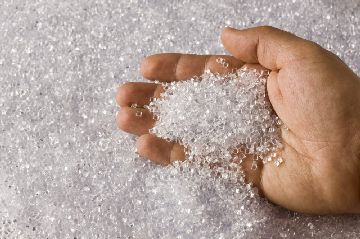 The polymer used for production of containers for beverages and textile yarns. If the entire world production of PET taken as a whole, then the third piece of plastic eventually turns into bottles. Every fifth bottle falls into recycling, and only the twentieth of each manufactured a new PET bottles. Too high the standards applicable to these products. When the secondary use of the polymers can be recycled with the help of all the physical and mechanical, technological methods: melting, extrusion molding. The output obtained powders, granules. Material is practically not subject to chemical recycling. The newly obtained raw material is sent: in textiles (yarn, fiber); enterprise of household chemistry (for the manufacture of boxes, trays, containers); auxiliary materials to the sector (to produce films, tapes).
Advantages of using the secondary granules
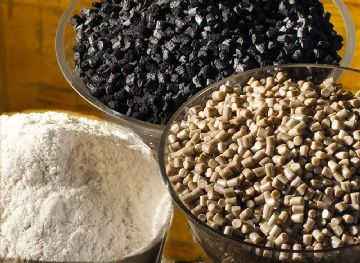 Reproduction polymers compared to their synthesis requires less hassle organizational:
– Logistics does not require the construction of thousands of kilometers of oil pipelines;
– construction of many types of production facilities available to subjects of small and medium businesses;
– processes, as a rule, does not involve the use of over-active chemical compounds, provoking technological accidents and catastrophes.
Investments in recycling stimulate the development of related industries: machine-building,
– transportation,
– haberdashery,
– household goods and other.
The period of their half-life – apart from the competition. During the combustion of macromolecular chains are converted into phosgene, cyanide and dioxides, resistance and harmfulness of which is comparable with a heavy radiation. For decades, these substances are dissolved in the air and the water contained in the flora and fauna, inhibit mechanisms of normal dividing cells of all living organisms, without exception.
According to environmentalists, the forms of existence of synthetic materials, which are formed as a result of the reproduction of the industrial plastics, are less aggressive and more functional. The secondary monomers obtained by pyrolysis: ethylene, propylene, styrene – are components of paints and adhesives. Other heavy plastics possessing high ecological purity, form the basis of sewage, water, a variety of other useful products.