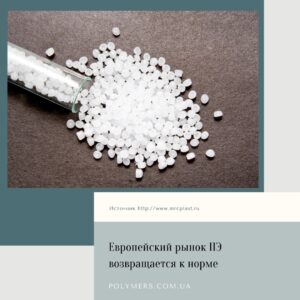
The European polyethylene (PE) market is returning to normal after a turbulent period of constraints and demand returning to more normal levels, ICIS said.
Packaging is one of the main uses of polyethylene worldwide and accounts for about a third of all polymeric packaging; in Europe, about 60% of polyethylene goes to the packaging segment.
The coronavirus pandemic has brought mostly uncertainty. However, polyethylene and the quarantine-induced panic buying of consumer goods meant that the polymer was in very high demand in March-May.
Consumers were panicking to buy food, health and hygiene products wrapped in plastic, mostly foil, and even June volumes remained high after restrictions were eased in many regions and purchases returned to normal.
By July, it became clear that June volumes were based on expectations for a price increase in July, but demand nevertheless was good and uncertainty about the future meant refiners were not yet ready to cut inventories.
Concerns about the environment and single-use plastics were no longer the focus of people’s attention as consumers prioritized health and safety issues.
 Pricing was not an issue during the panicky shopping days of March and April, when panic buying for consumer goods led to very high demand for packaging, and logistics problems fueled by virus concerns meant recyclers were more concerned with sourcing materials than price. which they paid for it.
In connection with the discussion of the August prices on the European polyethylene market, it became obvious that sellers are again trying to cover all the costs of raw ethylene.
Buyers are unhappy, citing significantly improved margins in the polyethylene sector. Thus, the collapse in crude oil prices, and then for naphtha in March, led to a very significant drop in ethylene contracts in March and April by EUR300 per ton, while prices for polyethylene contracts fell by about EUR140 per ton for the same period.
By June, when exploration and production prices began to rise again, polyethylene prices also rose, bringing the monomer versus polymer price differential to its highest level since 2017 for both contract and spot volumes.
Buyers are now reluctant to settle for a price hike for August despite a slight increase of EUR21 per tonne in the new August ethylene contract, and their own slowdown in demand is one of the reasons for this.
At the same time, uncertainty about the future of the markets remains, as concerns about re-infection with coronavirus arise. Some businesses continue to operate at low rates, and each player thinks about the possibility of high unemployment caused by the recession – all this makes the market cautious.
Even where demand is closer to normal levels, traditional trading patterns are still being disrupted and most sources are not clear in the near future.
Some polyethylene sectors are still doing well – packaging, home appliances, construction – but how long demand may remain normal in others is unclear as the supporting, government-funded schemes for businesses and individuals will run out by the fall.