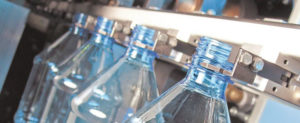
 Carbios (France), a pioneer in the development of new bio-industrial solutions to transform the life cycle of plastic and textile polymers, reported that it successfully produced the world’s first PET bottles made using 100% purified terephthalic acid (rPTA) by enzymatic biorecycling of plastic waste .
“We have successfully developed the first biological process, with which all types of PET waste can be split into initial components and reused for the production of primary plastic products, such as PET bottles. This new step demonstrates the powerful potential of the Carbios enzymatic technology and provides a breakthrough solution to the growing problem of society’s waste, ”commented Alain Marty, director of science at Carbios.
Earlier, Carbios demonstrated that its patented biorecycling technology, based on the use of bioengineering enzymes, is able to turn PET waste back into original components by 97% in just 16 hours. The company also demonstrated that primary PET can be manufactured using 100% rPTA using a patented biorecycling process that uses all types of PET plastic bottles after consumption (transparent, colored, opaque, complex).
Demonstrating that 100% rPTA can be used to produce PET bottles that meet the requirements of brands and customers, this technology can be a turning point in the transition to a closed-cycle economy.
PET is the most common polyester on the market. It is used to produce plastic packaging, textile fibers and almost 500 billion units of plastic bottles per year. It is expected that this market will grow by 4.8% annually in the period from 2017 to 2025.
Separating the production of new plastic bottles from the supply of petrochemical raw materials and making waste collection more cost-effective, Carbios technology offers a sustainable and effective solution to change the way we produce some of the most commonly used plastic products, Unipack.Ru reports.