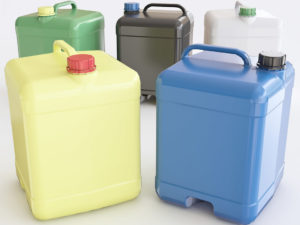
 Secondary HDPE, being more solid and possessing greater density, serves as raw material for the production of:
pressure pipes and fittings;
non-pressure pipelines operating in drainage and sewage systems;
polyethylene sheet, shaped products that serve for the organization of waterproofing, including the construction of swimming pools and artificial reservoirs;
various types of hard tare.
Secondary LDPE has a lower density, elastic. It is more suitable for the production of film products. LDPE pipes bend well and are shipped in coils. Such pipes are suitable for protecting wires and cables. For working under pressure, LDPE pipes can be produced in a multi-layered version with reinforcing fiberglass.
LDPE film products provide water and vapor insulation when roofing and flooring are laid, serve to protect building materials during transportation and storage, when used in combination with fiber insulation, increase the efficiency of their use.
Secondary granules LDPE can serve as raw material for the production of polyethylene foam. This material has a porous structure with isolated cells, due to which it has excellent cushioning and thermal insulation properties, and what is very important, it does not absorb moisture at all. Construction materials are made of polyethylene foam:
heat insulation mats;
thin substrates used in laminate flooring;
porous harnesses used to seal joints of concrete panels;
pipe shells used in the manufacture of pre-insulated pipes for heating systems;
soft packaging, well protecting fragile and delicate items from damage during transportation;
foil foamed polyethylene is used for insulation of pipelines and power equipment, as well as used for installation of heated floors.
Polyethylene has become a traditional material for such products as strapping sanitary equipment – sinks, bathtubs, toilets. The corrosion resistance of polyethylene pipes and fittings allows them to be used in sewage systems as a cheaper and easy replacement to cast iron products.
Such fasteners as dowels – nails, spacers of which are made from recycled polyethylene are widely used in construction and repair work.
Secondary polyethylene can be used in the production of such popular finishing materials as siding panels, baseboards and fillets, cable channels for laying power and communication lines.
If it is necessary to obtain a product with new properties, secondary granules of high and low pressure polyethylene can be mixed in various proportions. In this case, the finished product will have a certain set of properties inherent in both materials. For example, you can try to give the product greater plasticity, while maintaining the strength characteristics at a high enough level. Some manufacturers recommend this proportion of raw materials: a secondary HDPE granule in an amount up to 10-15% is introduced into the mass of secondary granules of high pressure. As a result, the strength and transparency of products increases. Probably, in this case, you will have to make some adjustments to the technological parameters – extrusion pressure and temperature.
The transition of the manufacturer to the use of secondary granules can be made gradually. In order to avoid the release of defective products, the proportion of secondary granulate in raw materials should be gradually increased to 100%, from one batch of products to another, constantly monitoring the quality of products.