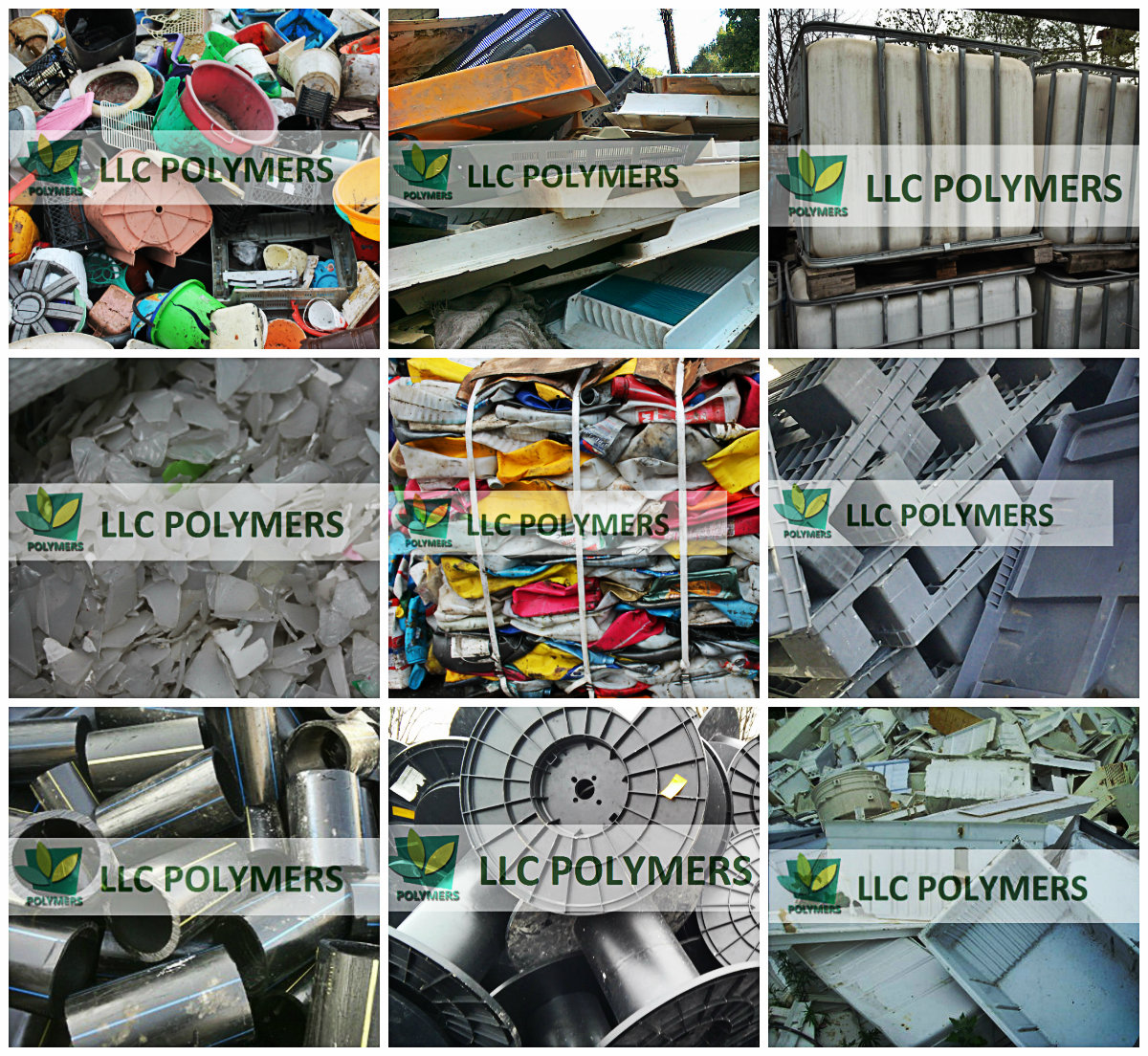
 Market experts estimate that every year one city with a population of 100 thousand people in Russia throws to the dustbin of about 30 tons of plastic containers. The vast majority of this garbage up plastic bottles. The percentage of polymer in the total waste is more than 60%.
This pet-waste is a major threat to the environment. Polyethylene decompose for 300 years. When burning it releases extremely hazardous substances.
However, burning the polyethylene, it is one of the kinds of processing. And if you do not dump, and in special plants so you can heat the entire city. Burning 2 tons of polyethylene equals the amount of heat generated by 1 tonne of crude oil. In countries where a properly functioning recycling market of PET waste used in the CHP, as well as to create a recycled product. It is interesting that we have, a huge proportion of the collected PET packaging is exported – mainly to China.
According to statistics in Russia is not processed more than 10% plastic. For comparison – in Europe, this figure rises to 80% in average. And in Sweden, which holds the record for processing and all of 90-95%. The example of Japan, which was able to increase its territory by 5% due to the commissioning of facilities for waste treatment. As a consequence, only the business island nation could get such huge amounts of money to build new residential neighborhoods where once was the sea.
According to research by The Freedonia Group demand for recycled plastics will increase annually by 6-7%. Also, according to their forecasts the global market of plastic recycled in 2016 will amount to more than a billion tons.
In Russia, from recycled PET containers make paving tiles and packaging. Perspective is considered production of the textile industry, the production of tiles, euro pallets, wool and so on.
The best way out of recycled polymers obtained fiber – its share is 65%. The film constitutes 17% of the drops, the binder material is – 11% and packing – 7%.
The processors are called the main obstacle to the development of industry, the lack of adequate legislation enabling development of the industry. The new law on waste disposal is designed to reverse the trend. In states where recycling has received increased attention, processors receive subsidies from the state in the form of minimum taxes and lower electricity prices.
Also there is the problem of waste sorting. In order to separate the plastic from other waste need to hold special outreach programs, create containers for separate waste collection, etc. Especially this problem is seen in regions where local entrepreneurs do not see any prospects in this business. Furthermore, even after sorted waste PET they need to be cleaned.
Assess the real impact of the new law on the business of plastic waste can be no earlier than 2018.