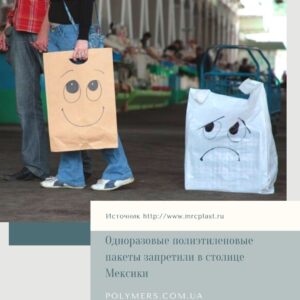
 In the capital of Mexico, a ban on the sale and distribution of single-use plastic bags began on January 1, 2020, Reuters reports.
“We have to put polyethylene out of circulation. Plastics and other wastes that damage the planet end up in the mountains, forests, in public places of the city – and no one removes them,” said Andri Gig, who oversees the implementation of this environmental initiative.
According to the Association of Plastics Manufacturers ANIPAC, residents of Mexico City and its suburbs use 68 thousand tons of bags annually every year. Fines for violators will range from 42,000 pesos (USD2,219) to 170,000 pesos.
Plastics recyclers are offering a range of solutions, including a move to thicker plastic bags for reusability, similar to what they did in the US state of California in November 2016, when it became the first state in the US to ban SUP bags.
Connecticut, Delaware, Hawaii, Maine, New York, Oregon and Vermont and New Jersey have followed suit in the past five years. In Europe, Germany recently announced plans to ban single-use bags from January 1, 2022.
Earlier it was reported that US California banned the use of disposable plastic bags in 2014. However, the state allows the use of reusable plastic bags. In other countries, the most popular prohibitive measure is the additional collection of environmental tax on the sale of a package.
According to MRC DataScope, imports of PE to Russia decreased by 17% in January-November this year compared to the same period last year and reached 569.9 thousand tons. The largest decrease in external supplies fell on low-density polyethylene (HDPE).