 Researchers at the University of New South Wales, in collaboration with scientists at Imperial College London have developed a polymer overlay on cardiac scar that occurs after a heart attack, which improves the conductivity of electrical impulses damaged heart tissue, according to the journal Science Advances.
Flexible strip, which has been successfully tested on animals, has a long lifespan, but its main advantage is the ability to adhere to the heart seamless. “Heart attacks create scars that violates the conduction of electrical impulses passing through the heart” – said the member of the research group Shan Harding – it can cause irregular heartbeat, leading to death. Conductive polymer pad will solve this problem. ”
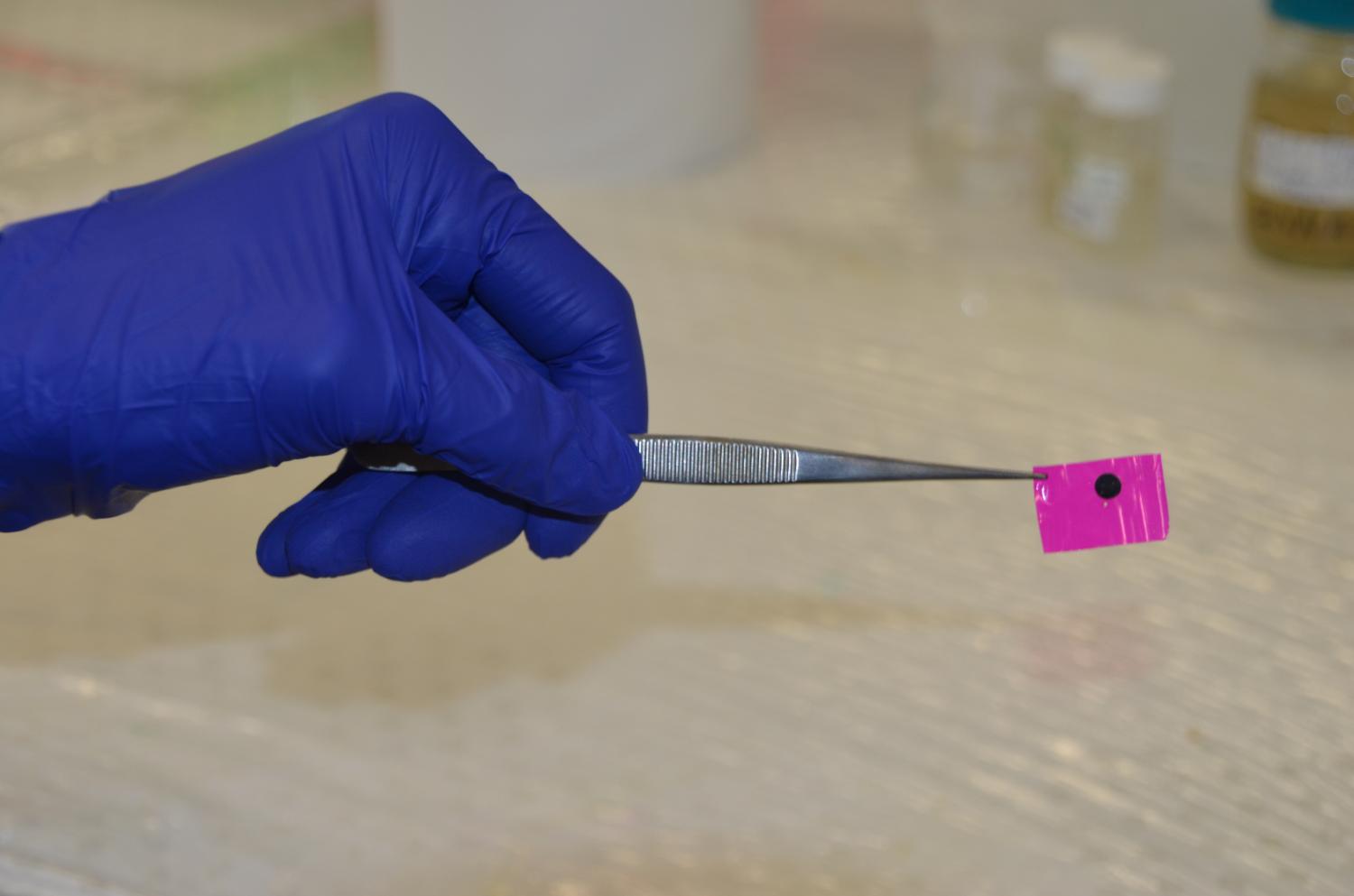
Overlay is a film of chitosan, a polysaccharide, which is often used as a food additive, which is superimposed on the conductive polymer polyaniline in turn covered with a layer of phytic acid, which translates into Conductive polyaniline condition. “Conducting polymers can be operated only in a dry state, the majority no longer conduct electricity in a day after they were placed in a moist environment inside the human body – said the Materials Department of the employee and Engineering NSW schools, study author Dr. Mavad – thanks to a three-layer coating structure stores the conductivity under physiological conditions for over two weeks. In addition to its fastening does not require suturing, so the imposition of the film is a minimally invasive and least harmful to the heart, not to mention the fact that it moves in close contact with the muscles of the heart. ”
Pads, written as a bridge between the healthy and scar tissue, help to prevent cardiac arrhythmia, – said Dr. Mavad – however, our research, which is at a very early stage have a much broader goal, as, however, this technology can be used to basic research to study the interface between natural materials and artificial tissues. “