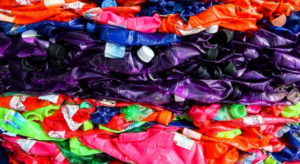
 Clothes, art installations, islands and other ways to use waste for useful purposes.
With the development of technology, the problem of garbage processing should become less urgent. Scientific inventions lead to new, albeit not ordinary solutions. And in some countries, innovative ideas are already being fully implemented.
Sorting
The most famous and one of the most effective ways is sorting garbage. For example, in Switzerland in 2000, the authorities banned the construction of garbage dumps. The bulk of the waste was recycled, the remaining was burned. In this case, a certain type of garbage is put in each container: glass, old clothes, batteries, paper, bioproducts and other types of waste are collected separately. Violators are punished with high fines.
Burning
Sweden is another successful example of recycling. Not far from Stockholm, the largest and most powerful waste-processing plant operates: it turns waste into raw materials and energy, which goes to electricity production, heating of cities, provision of residents with hot water and heating.
Secondary use
One of the most effective ways to combat environmental pollution is not even the recycling of waste, but their reuse.
For example, it is not necessary to get rid of an old mobile phone or TV: it can be disassembled and parts used to produce a new one. And the recycling of waste opens up new opportunities for both large companies and artists who give new life to discarded things.
A house made of rubbish
Why throw trash if you can live in it? As a building material craftsmen use literally everything: building containers, tires, empty bottles, reinforced concrete pipes, old TVs. For example, a resident of Volgograd, Roman Sebekin built a house of plastic garbage. At the same time, the cost of such a building was significantly lower than if he had erected it from wood or brick.
Island of waste
No less inventive in matters of garbage processing were the Japanese. From waste they make real islands.
The basis is recycled garbage, it is covered with earth, plant trees and create parks. Moreover, by 2020, the Japanese hope to build an Olympic village on one of these islands, where athletes participating in the Tokyo Olympics will live.
Suit of garbage
No less willing to use rubbish in the fashion industry, including among Russian designers.
In the course goes everything: packages, boxes from cakes, labels, bags for sugar, scotch and even mesh for vegetables. Originally, the idea caught fire famous fashion designers and couturiers: Paco Rabanne, Dan Keiten, Stella McCartney. However, later the fashion wave was picked up by large producers, who launched lines of eco-clothing from recycled plastic.
The car from garbage
You can not only live and walk in clothes from garbage, but also move around the city in a car made of waste. That’s what one of the residents of Leicester did, who assembled the car body from recycled plastic and metal. As the basis used the chassis of the old BMW, which he put his own engine made, capable of accelerating the vehicle to 225 km / h.
Not garbage, but a masterpiece
Artists from around the world often use trash to create art installations. Mexican photographer Alejandro Duran based on the garbage found on the ocean creates surreal landscapes, and Englishwoman Jane Perkins portraits of celebrities: the heroes of her works were Elizabeth II, Albert Einstein, Marilyn Monroe and Gioconda.
How to make people less litter
The plastic bags scattered around the streets are quite common. In order not to spoil the appearance of cities and not to worsen the ecological situation, a solution was found in a number of countries.
The authorities passed a law banning the sale of plastic bags. This forces people to either buy paper bags or use reusable bags.
In Germany, came up with another solution. The cost of the drinks includes the price of the bottle, so it can be passed and compensated for a part of the amount.
Financial incentives are used by Dutch authorities: citizens participating in the separate waste collection program receive special coupons that can pay utility bills. Similar programs are in place in Latin America: Brazilian garbage collectors can get a package of food, and Mexicans buy food stamps.
A severe way to combat citizens who are littering the streets, prefer the authorities of Great Britain. The penalty for improper sorting of waste can be up to £ 1 thousand