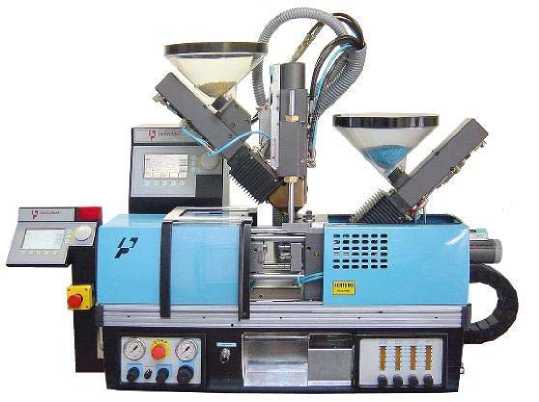
Given multi-cast production activities for their modernization can vary greatly depending on the technical content, scope, duration and cost-effectiveness. In addition, when designing activities, it is necessary to consider not only the possible but also the sequence of their implementation.
The share of indirect costs (overhead) adopted a relatively large due to the low level output of products per unit of equipment. In addition, it should be noted that component of production costs spent on staff salaries, adopted characteristic of domestic production, although in different countries and regions with different levels of per capita income it can vary greatly.
As the experience of the research work of various injection molding production activities for their modernization should be carried out in several stages, grouping at each stage of the event, having the same orientation.
At each stage, carry out the following analysis:
•technological analysis;
•feasibility study of options of activities;
•economic evaluation of interventions;
•the composition of the events.
The 1st stage. Improving the organization of production
At this stage, the company takes measures aimed only at improving the organization of production, ensure the elimination of non-productive losses and not making any changes to the process and the technical equipment – equipment and tools, i.e., the least capital-intensive activities. The payback period is usually from several weeks to several months.
As a result of techno-economic analysis of production it identifies the most likely bottlenecks, such as:
•discrepancy of assortment the structure of the fleet of injection molding machines;
•lack of qualification of the personnel composition of works;
•incomplete use of recyclable waste;
•the irrationality of design decisions on placement of equipment and organization of material flows.
Then a complex of measures aimed at reducing non-production costs and increased output, including:
•partial redistribution of products for injection molding machines;
•increasing the degree of utilization of recyclable waste;
•training and downsizing the number of staff;
•the introduction of more advanced methods of repair of equipment and molds;
•rational organization of material flows in supply of raw materials, production and export of products;
•organization of specialized sections for identical products.
Cost reduction achieved at the 1st stage, depends primarily on how the increase of efficiency of use of production resources and the elimination of bottlenecks contributed to the reduction of direct costs and increased output.
The 2nd stage. Improving technology
At the 2nd stage of development of measures, directed on improvement of technological processes on the basis of the existing injection molding machines and molds.
This stage includes detailed technological analysis, including:
•analysis of the structure of the consumption of material;
•analysis of the structure of standards of service TPA and labor costs in General;
•analysis of the structure of technological cycles.
As a result of the analysis can be identified the most marked discrepancy between the available and achievable levels of technological processes and shaped the priorities in the improvement of production technology, for example:
•increasing the level of technological discipline in order to reduce the number of non-conforming products;
•improving the design of tooling in order to reduce the complexity of finishing operations;
•the use of technological additives, which increase the productivity of the casting process;
•intensification of cooling products.
When developing a specific list of activities should be considered that provide the greatest cost savings activities General nature (for example, the tightening of entrance control of raw materials or increase the capacity of refrigeration). The event, held at the level of individual products (for example, modification of molds) and tangible economic gains only when introducing them in droves.
Potential cost reduction achieved at the 2nd stage, depends not only on composition but also on the scale of the activities undertaken.
Overall at the 2nd stage of process, i.e. malachitacea, activities that provide significant cost reduction without changing equipment and tooling. The payback period of such events, as a rule, does not exceed 1 year.
The 3rd stage. Optimization of technological processes and modernization of equipment and tooling
At the 3rd stage of development of measures, aimed at system optimization of technological processes and the modernization of equipment and tooling. This stage includes integrated hardware and technological analysis of the production, including in the following areas:
•analysis of full use of the technological capabilities of injection molding machines;
•analysis of the progressive construction of molds and wear resistance;
•analysis of the degree of mechanization and automation of work processes and opportunities for improvement.
In the analysis process compares the technical level of production and modern foreign and domestic achievements and identifies the most effective directions of modernization of equipment and tooling, among which:
•intensification of technological processes through better use of the capabilities of the TPA (including through a possible increase in the shifting of molds);
•automation of charging, removal, transportation and stacking of products; – the introduction of new methods of designing and manufacturing molds;
•modernization of existing and (or) purchase of new, including high-speed, TPA.
Events for the replacement of equipment and tooling can have the greatest impact on reducing the cost, provided their proper selection and correct implementation. Depending on their content and focus, they can significantly change the cost structure.
In General, at the 3rd stage is carried out in the most capital-intensive activities that provide significant cost savings and changes to its structure. This is determined by the amount of investment required to implement the measures involved, and calculated the economic efficiency of their implementation based on the timing of their implementation, funding sources, interest rates, credit, etc. The payback period of such events ranges from several quarters to several years.
Thus, as a result of all three steps of modernization of production there is a reduction in the costs of raw materials up to 10% of direct labor costs by 3-4 times. Simultaneously is achieved by the increased removal products: mold – 1.7–2.5 times, from one TPA – 1.4–2.2 times. In General, the total potential cost reduction in the production of molded products is to 39% from its original level, or 1.6 times .
This fundamentally changes both the level and structure of cost of production of injection molding products. Thus, the share of raw materials in the production cost increases from 40 to 58%, while the share of processing costs is reduced from 60 to 42%, and thus the cost structure approaching that recommended Western suppliers of high-tech injection molding equipment.