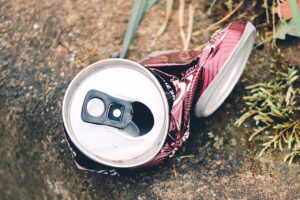
 The capacity of utilities that collect, sort, and recycle waste is significantly reduced compared to normal time.
The Ministry of Development of Communities and Territories of Ukraine calls on citizens to minimize the generation of household waste, since the capacity of utilities decreased significantly during the quarantine period. “The capacity of utilities that collect, sort, and recycle waste has significantly decreased compared to normal time. Thus, now every household is obliged to join the practice of reducing and minimizing waste! The first priority in the waste management system is to prevent their generation, ”the ministry’s press service said in a statement. According to the report, these are any measures aimed at minimizing the amount of waste that households generate. In particular, do not use disposable tableware, replace plastic bags with reusable bags. It is also recommended to reduce the amount of waste in a bucket or bag: compact, compress and compact it.
The second priority is preparing for reuse: checking, cleaning and repairing things, as a result of which they become recyclable without recycling. “Unnecessary clothes, shoes and household appliances can be donated to charity. The list of organizations that handle used things in Ukrainian cities can be found on the Internet, ”it was informed. The third priority, according to the ministry, is the separate collection of household waste. Citizens need to separately collect household waste at home and separate them into various components.
It can be: glass, paper, plastic, organic waste, household scrap metal, textiles, wood, hazardous waste as part of household waste. “The main principle of separate waste collection: wash + squeeze + follow labeling. After quarantine, plastic, paper and glass containers can be handed over to recycling centers and receive money. Compost can be produced from organic waste and environmental fertilizers can be obtained to improve soil quality, ”the department noted.
Help UNIAN. The average waste generation in Ukraine is 250-300 kilograms per year per person. At the end of 2019, almost 53 million cubic meters were formed. m of household waste, or more than 10 million tons that were buried in 6 thousand landfills and landfills